
NBSINFRA project meeting in Aveiro: driving urban resilience through Nature-Based Solutions
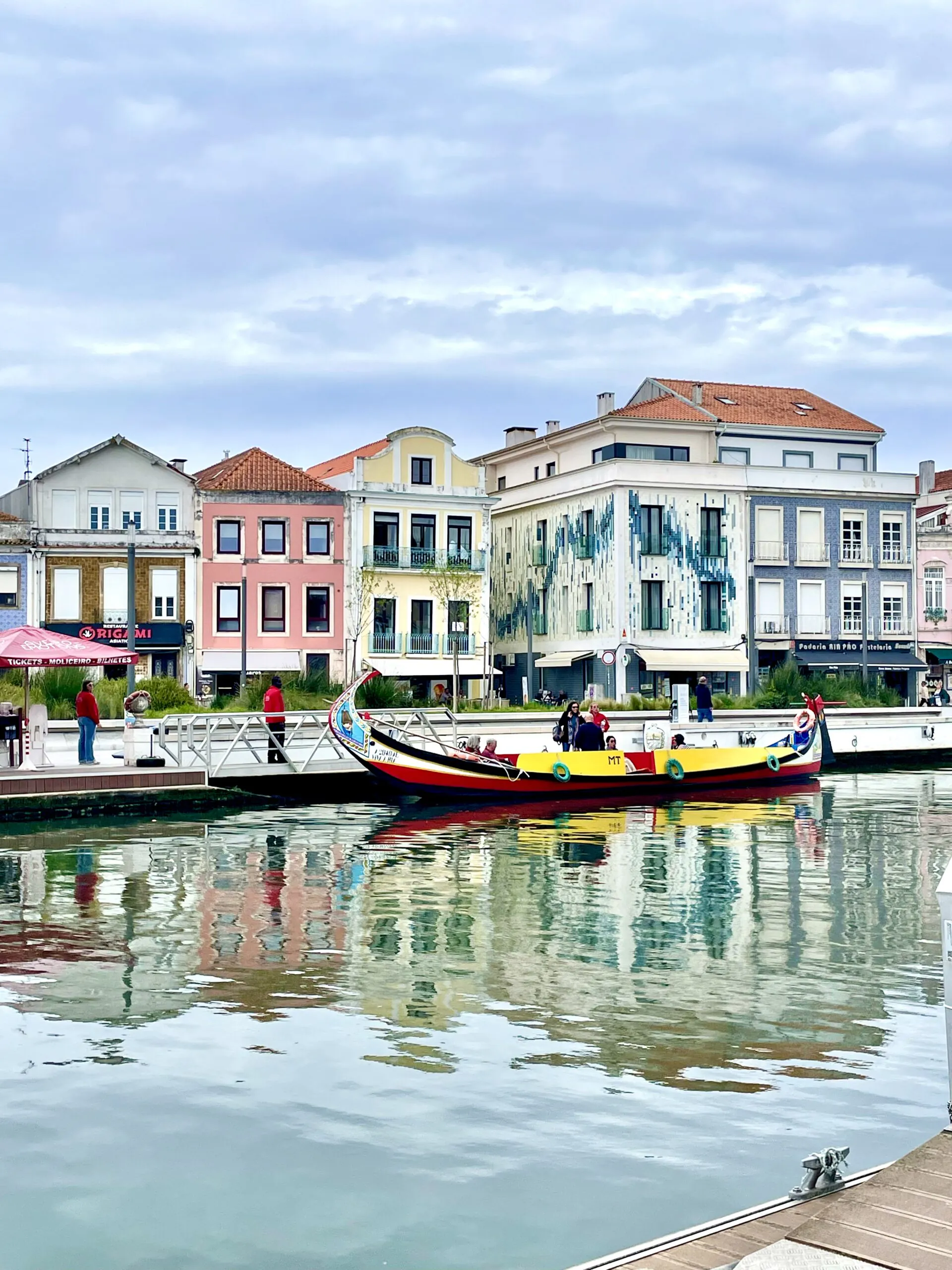
From 19 to 21 March 2026, the NBSINFRA consortium gathered in Aveiro, bringing together partners, local stakeholders, and EU representatives to take stock of progress and exchange key lessons. The Assembly opened with updates from project partners, setting the stage for a collaborative workshop on the project’s replication roadmap. Here, partners joined forces to validate […]
From 19 to 21 March 2026, the NBSINFRA consortium gathered in Aveiro, bringing together partners, local stakeholders, and EU representatives to take stock of progress and exchange key lessons.
The Assembly opened with updates from project partners, setting the stage for a collaborative workshop on the project’s replication roadmap. Here, partners joined forces to validate key exploitable results and identify potential early adopters as an important step toward ensuring the project’s long-term impact.
This forward-looking discussion was complemented by a visit to the Aveiro case study, where participants explored the city’s urban water management system, including the Vilar stream, Bocage landscape, and the Lower Vouga Lagoon’s defence infrastructure.
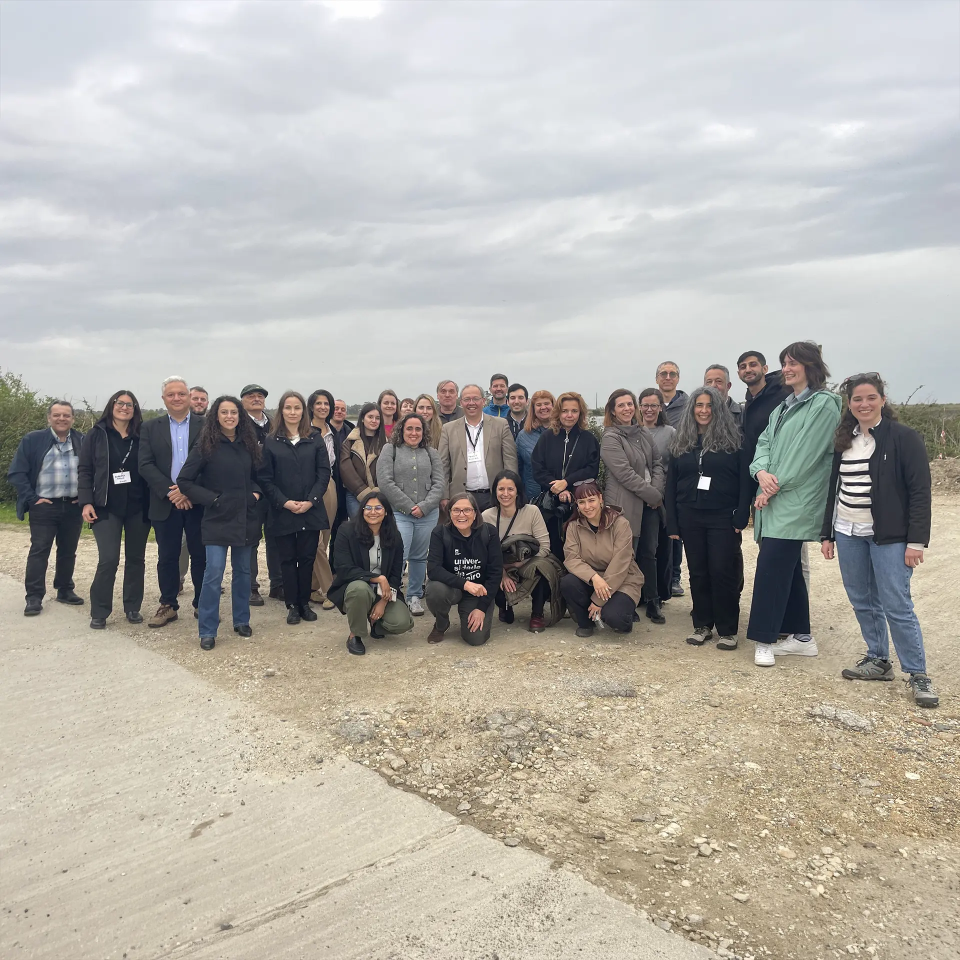
NBSINFRA consortium during the field trip
Building on these on-site insights, technical sessions highlighted a central message: nature-based solutions must be tailored to local contexts. Findings from Aveiro showed that combining solutions can deliver stronger results, while the Cologne case study pointed to the need to address multiple climate risks simultaneously. Alongside this, a digital twin model for water management was presented, offering new opportunities for data-driven flood mitigation planning.
Policy discussions further enriched the programme, emphasising the importance of stakeholder engagement, coordination across municipal departments, and integrating nature-based solutions into long-term strategies. Participants also addressed practical challenges, from implementation and funding to building community trust, highlighting the role of communication, knowledge sharing, and participatory approaches.
The Assembly also created space for exchange through a round table on urban water management, a dedicated policy working group, and a community workshop on rainwater reuse, which reinforced the project’s strong focus on collaboration and local engagement.
The event concluded with a shared recognition: nature-based solutions play a vital role in strengthening urban resilience and sustainability, and continued cooperation will be key to turning knowledge into action.

Funded by
the European Union