
Building resilience with nature: NBSINFRA final event brings experts to Brussels
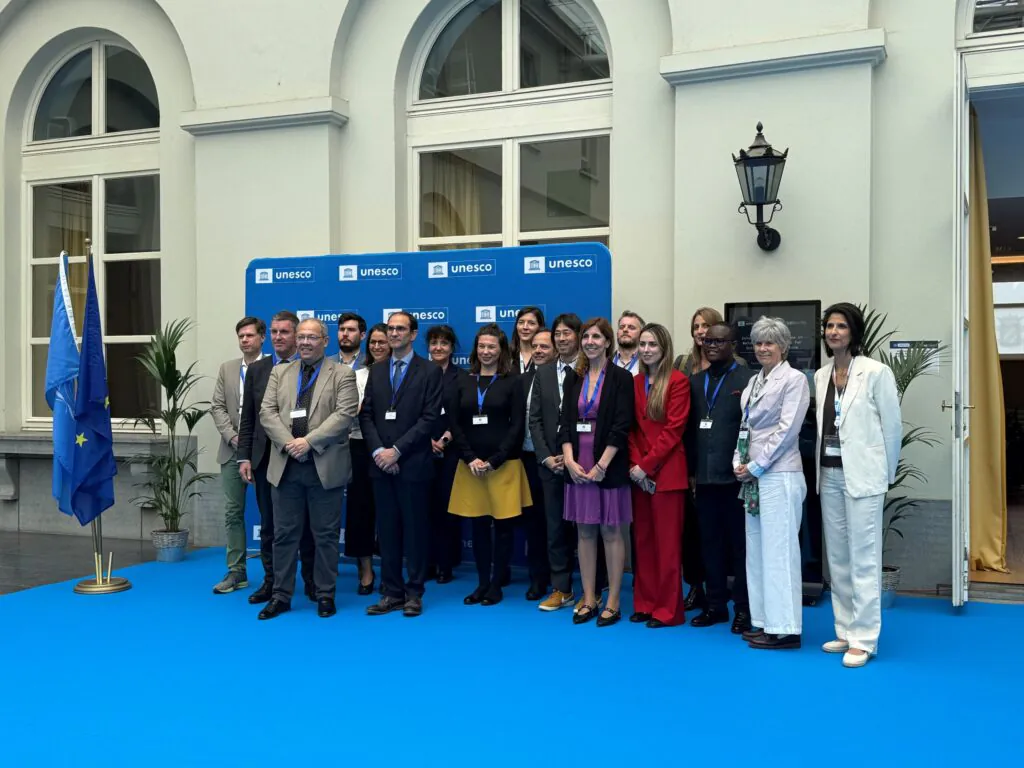
On 10 June, the NBSINFRA project held its final event at the Palais des Académies in Brussels, bringing together representatives from European institutions, UNESCO, academia, local authorities and international organisations to discuss how Nature-based Solutions (NBS) can strengthen the resilience of critical infrastructure. Organised by UNESCO, the international conference focused on the growing need to […]
On 10 June, the NBSINFRA project held its final event at the Palais des Académies in Brussels, bringing together representatives from European institutions, UNESCO, academia, local authorities and international organisations to discuss how Nature-based Solutions (NBS) can strengthen the resilience of critical infrastructure.
Organised by UNESCO, the international conference focused on the growing need to address compounding and interconnected risks affecting infrastructure systems. As climate- and weather-related hazards become more frequent and severe, the event underlined the importance of complementing traditional engineered approaches with ecosystem-based measures such as restored floodplains, urban forests, sustainable drainage systems and living shorelines. These solutions can help reduce flood risk, mitigate urban heat, stabilise landscapes and improve water security, while also delivering wider benefits for biodiversity, public health and community well-being.
The conference opened with welcome remarks and a session on the evolution of NBS in the policy landscape, featuring contributions from UNESCO, the Permanent Representation of Ireland to the EU, the European Commission’s DG HOME and NBSINFRA project experts. Discussions then moved to the role of NBS in global resilience agendas, with speakers from UNESCO, the European Commission, IUCN and the European Economic and Social Committee exploring how NBS can be better recognised within infrastructure security and resilience frameworks.
A second policy roundtable addressed the translation of NBS policies into regional and national action. Speakers from UNESCO, DG RTD, the European Committee of the Regions and the Municipality of Aveiro discussed governance, financing, ownership and long-term maintenance arrangements needed to support implementation beyond pilot projects.
The final discussion, “From Evidence to Policy: Insights from the NBSINFRA project”, presented key lessons from the project and its partners. Contributions from the project coordinator, academic partners, municipalities, research organisations and private-sector experts highlighted the importance of standards, metrics and verification methods to demonstrate the protective performance of NBS and support their wider integration into infrastructure planning, investment and asset management.
The event concluded with closing remarks by UNESCO, followed by a networking reception. Overall, the conference provided an important platform to connect scientific evidence, policy priorities and practical implementation needs, reinforcing the message that Nature-based Solutions should be recognised as resilience assets in their own right.
Through its work, NBSINFRA has contributed to advancing this agenda by generating evidence, tools and policy insights to support the uptake of Nature-based Solutions for critical infrastructure resilience across different geographical, institutional and socio-economic contexts.

Funded by
the European Union