
Building resilience with nature: NBSINFRA final event brings experts to Brussels
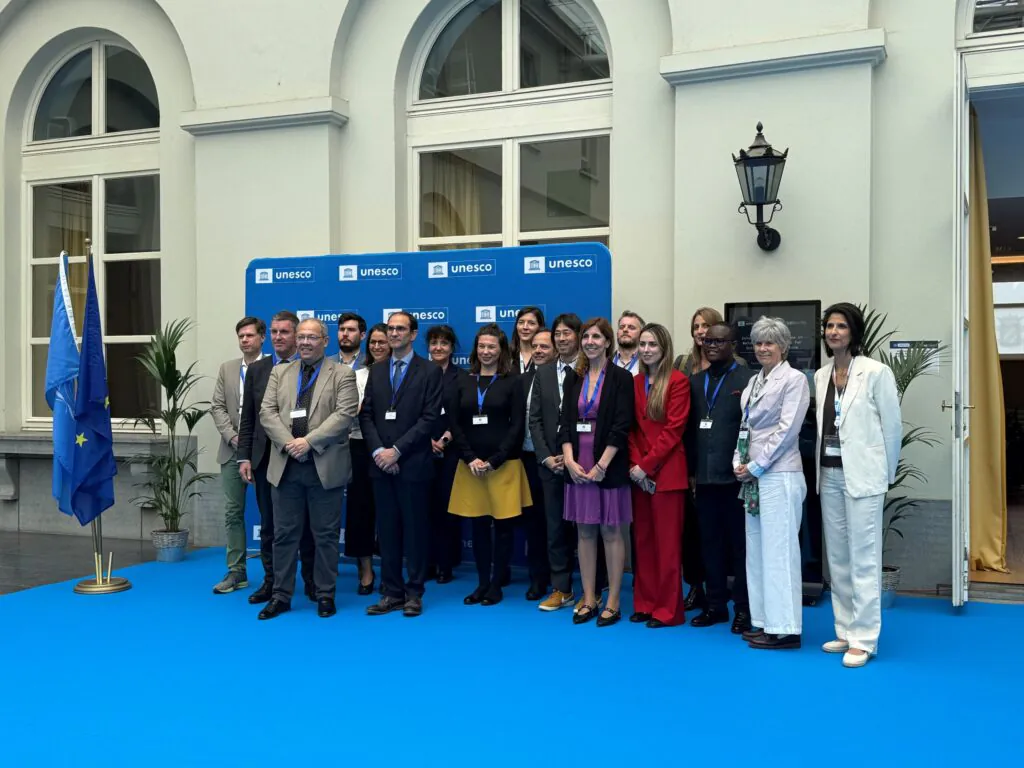
On 10 June, the NBSINFRA project held its final event at the Palais des Académies in Brussels, bringing together representatives from European institutions, UNESCO, academia, local authorities and international organisations to discuss how Nature-based Solutions (NBS) can strengthen the resilience of critical infrastructure. Organised by UNESCO, the international conference focused on the growing need to […]
On 10 June, the NBSINFRA project held its final event at the Palais des Académies in Brussels, bringing together representatives from European institutions, UNESCO, academia, local authorities and international organisations to discuss how Nature-based Solutions (NBS) can strengthen the resilience of critical infrastructure.
Organised by UNESCO, the international conference focused on the growing need to address compounding and interconnected risks affecting infrastructure systems. As climate- and weather-related hazards become more frequent and severe, the event underlined the importance of complementing traditional engineered approaches with ecosystem-based measures such as restored floodplains, urban forests, sustainable drainage systems and living shorelines. These solutions can help reduce flood risk, mitigate urban heat, stabilise landscapes and improve water security, while also delivering wider benefits for biodiversity, public health and community well-being.
The conference opened with welcome remarks and a session on the evolution of NBS in the policy landscape, featuring contributions from UNESCO, the Permanent Representation of Ireland to the EU, the European Commission’s DG HOME and NBSINFRA project experts. Discussions then moved to the role of NBS in global resilience agendas, with speakers from UNESCO, the European Commission, IUCN and the European Economic and Social Committee exploring how NBS can be better recognised within infrastructure security and resilience frameworks.
A second policy roundtable addressed the translation of NBS policies into regional and national action. Speakers from UNESCO, DG RTD, the European Committee of the Regions and the Municipality of Aveiro discussed governance, financing, ownership and long-term maintenance arrangements needed to support implementation beyond pilot projects.
The final discussion, “From Evidence to Policy: Insights from the NBSINFRA project”, presented key lessons from the project and its partners. Contributions from the project coordinator, academic partners, municipalities, research organisations and private-sector experts highlighted the importance of standards, metrics and verification methods to demonstrate the protective performance of NBS and support their wider integration into infrastructure planning, investment and asset management.
The event concluded with closing remarks by UNESCO, followed by a networking reception. Overall, the conference provided an important platform to connect scientific evidence, policy priorities and practical implementation needs, reinforcing the message that Nature-based Solutions should be recognised as resilience assets in their own right.
Through its work, NBSINFRA has contributed to advancing this agenda by generating evidence, tools and policy insights to support the uptake of Nature-based Solutions for critical infrastructure resilience across different geographical, institutional and socio-economic contexts.
The second edition of the NBSINFRA newsletter is now out!

Following the launch of our first newsletter, which introduced NBSINFRA’s mission to strengthen critical urban infrastructure through Nature-Based Solutions (NBS) and presented the five European City Labs, we are pleased to share the second edition of our newsletter. At the heart of this newsletter are five new NBSINFRA booklets, each dedicated to one City Lab. […]
Following the launch of our first newsletter, which introduced NBSINFRA’s mission to strengthen critical urban infrastructure through Nature-Based Solutions (NBS) and presented the five European City Labs, we are pleased to share the second edition of our newsletter.
At the heart of this newsletter are five new NBSINFRA booklets, each dedicated to one City Lab. More than summaries of activities, these booklets take you inside different European territories, exploring their histories, vulnerabilities and ambitions to redefine the relationship between nature and the city. Each booklet maps existing and newly identified NBS, highlighting governance processes, stakeholder collaboration and locally rooted solutions, and forming a mosaic of best practices across Europe.
Read the full newsletter here.
Stay updated on project news and results – subscribe to the NBSINFRA newsletter!
When roofs fly off: nature as climate insurance
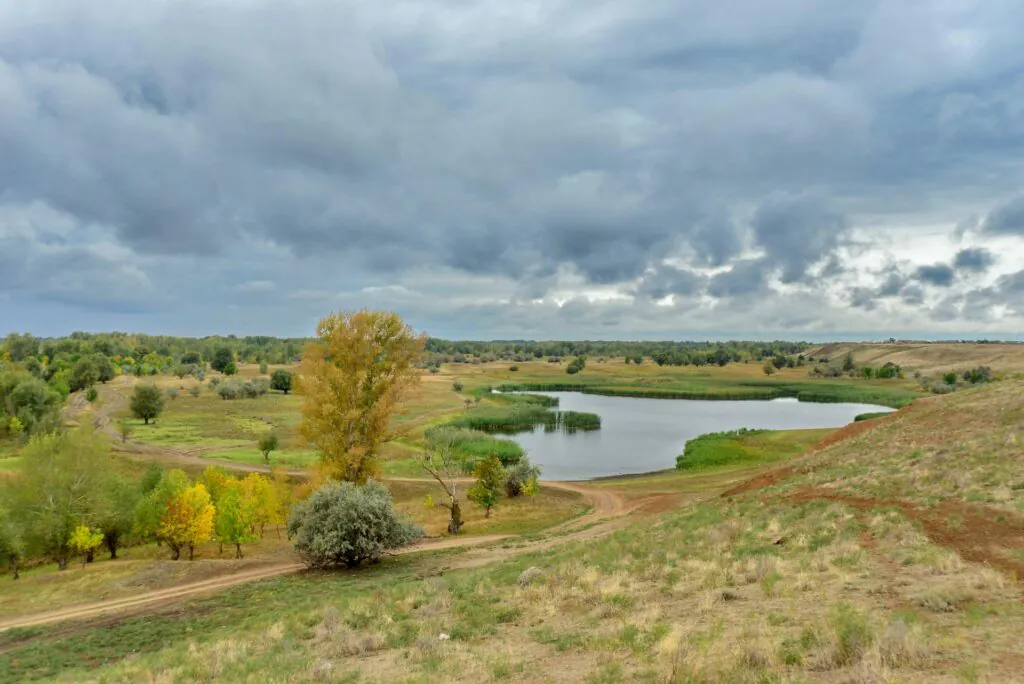
As climate change causes more frequent and destructive floods across Europe, traditional defences are reaching their limits. Nature-based solutions offer protection that works with ecosystems, and not against them. But without binding national and European frameworks, the cost of inaction is no longer theoretical. Storm Nils strikes southwestern France on what should have been an […]
As climate change causes more frequent and destructive floods across Europe, traditional defences are reaching their limits. Nature-based solutions offer protection that works with ecosystems, and not against them. But without binding national and European frameworks, the cost of inaction is no longer theoretical.
Storm Nils strikes southwestern France on what should have been an ordinary Thursday morning in an unusually mild and rainy February. In Pollestres, near Perpignan, a couple in their seventies are having breakfast when their house is literally torn open. Like a hurricane that has lost its way and its season, the storm rips the roof off, lifts it seven metres into the air and hurls it ten metres away. The couple escape unharmed, but are suddenly homeless. At the same time, in Portugal, heavy rainfall and flooding cause 16 deaths directly or indirectly linked to the storm. The interior minister resigns, and the Mondego River overflows in Coimbra, forcing 3,000 people to evacuate. It is February in a temperate zone, yet across the Mediterranean basin disasters unfold as if it were August in the Caribbean.
Global temperatures have already risen by about 1.1°C above pre-industrial levels. The Intergovernmental Panel on Climate Change (IPCC) states with high confidence that climate change is increasing both the frequency and intensity of heavy rainfall events in Europe. In some regions, extreme precipitation intensity has risen by up to 22% over the past 50 years, significantly increasing flood risk in vulnerable areas. The urgency is clear: can we still attempt to contain nature? Do “traditional” approaches remain sufficient? And can nature-based solutions (NbS) play a stronger role in mitigating and adapting to climate change?
Room for the River: a model case of NbS
According to the International Union for Conservation of Nature (IUCN), NbS are “actions to protect, sustainably manage and restore natural or modified ecosystems that address societal challenges effectively and adaptively, while simultaneously providing human well-being and biodiversity benefits.”
Hans Brouwer of Rijkswaterstaat in the Netherlands, a country historically exposed to flooding, has no doubts: “Earth and nature will always win.” Opposing natural forces where they are strongest, he suggests, is futile.
Brouwer witnessed the birth of the Netherlands’ Room for the River programme, a large-scale national initiative carried out between 2006 and 2019 at a total cost of €2.3 billion. The programme implemented measures along the Rhine and Meuse river basins across the country to create flood retention areas and is now widely regarded as a model case. It was prompted by the severe floods of 1993 and 1995, which displaced 220,000 people.
In the mid-1990s, the initial political response was to continue raising and reinforcing dikes. Engineers soon realised, however, that this strategy had limits. “Endlessly heightening dikes on soft peat soils was technically and environmentally problematic, and it increased potential damage in the event of failure. At the same time, ecological thinking, partly inspired by Plan Ooievaar (‘Plan Stork’) and earlier restoration concepts, had already introduced the idea of giving rivers more space,” Brouwer explains.
The government launched the Room for the River programme in 2000. After six years of analysis, 34 projects were selected from 700 proposed interventions. The objective was to safely accommodate higher river discharges up to 16,000 m³ per second, in anticipation of climate change. The programme provided flood protection projected to last until around 2050 and created approximately 2,000 hectares of new nature areas along more than 30 locations, primarily on the Rhine, Meuse, Waal and IJssel rivers.
The approach proved effective. Yet the government is now launching “Room for the River 2.0” because, as Brouwer notes, “ecological quality is deteriorating.” The natural floodplain dynamics, alternating wet and dry conditions, occur less frequently than before. Water levels are dropping and floodplains are inundated less often, a climate-related consequence that had not been foreseen in the 1990s.
Still, Brouwer remains convinced of the choices made. Well-designed nature-based solutions can be self-sustaining and generate substantial social benefits. “The ecological system is the real one; we can only align ourselves with nature,” he concludes.
Cologne and Swords: green belts protecting city centres
Aligning with nature to protect communities, including critical infrastructure, is at the heart of the European project NBSINFRA. The project explores how to safeguard urban critical infrastructure against both natural and human-induced hazards by co-designing, co-creating and monitoring solutions in partnership with communities and stakeholders.
The challenge is being addressed in five “city labs” across Europe: Fingal (Ireland), Cologne (Germany), Ruse (Bulgaria), Aveiro (Portugal) and Prague (Czechia). The project will conclude in August 2026.
In Cologne, Germany, researchers are documenting, mapping and evaluating the benefits of implemented and planned NbS in Cologne and in parts of the Wupper and Erft basins. Cologne experienced major Rhine floods in 1993 and 1995. These events led to the creation of a new flood protection concept and the implementation of several new flood protection measures. The Wupper and Erft were impacted by the floods of 2021, the impact of which is still being incorporated into the flood protection response in those two basins. Ali Barrett and Christopher Munschauer are scientific researchers, associated with the TH Cologne. They explain that: “After the two Rhein floods in the 1990s, Cologne’s municipal drainage authority StEB Köln implemented a range of flood protection measures including a floodwater retention basin in the south of Cologne and another which is currently in planning, in the north of the city.” So what is the difference between the 1990s and today, after implementation of flood protection that includes nature-based measures? “Well, so now most of Cologne City is protected from floods up to a 200-year statistical return period. That’s over and above the 1993 and 1995 floods. Other NbS include areas of retained and reattached floodplain in the city which allow for smaller floods to occur without too much disruption to city life. (…) Moreover NbS can offer many co-benefits like filtering out pollution and creating habitat for animals. They also preserve areas for biodiversity and provide space for people to walk in, to run in and to enjoy nature. They also provide cooling benefits with trees and vegetation which can moderate temperatures within the city”, they say.
Nevertheless, for Barrett and Munschauer there is no competition between nature-based and grey solutions; they are convinced that protecting cities from disasters and climate change requires combining grey infrastructure with NbS. Even if the latter also makes the urban environment more pleasant, these positive effects cannot be reduced to a simple cost–benefit calculation so Barrett and Munschauer call for a shift in perspective: “It’s not about grey infrastructure versus green infrastructure”. “I think it’s more prevention measures versus no prevention measures,” Munschauer says. “So if you look at the cost on a graph, there will immediately be costs, either from building them or maintaining them. But if you have a disaster, you also have costs; it’s a one-time event that not only generates big costs but also the destruction of livelihoods and habitat. So basically prevention measures work a little bit like insurance, with the additional benefits of NbS for the wellbeing of humans, fauna and flora for the whole year”, he concludes.
In the Swords City Lab in Ireland, researchers are examining a proposed green belt around the town. Swords is prone to flooding and is experiencing rapid population growth. The Dublin–Belfast railway line, which crosses an estuary near Swords, has already been protected through conventional engineering by raising its level. At the same time, urban expansion and the planned Dublin metro extension are increasing development pressure on flood-prone land.
The green belt was originally conceived with the main objective of improving quality of life and preserving open space amid urban growth. “We are now investigating whether these new green areas can also serve a dual purpose as water retention spaces during flooding events,” says Beatriz Martinez-Pastor, Assistant Professor at the School of Civil Engineering, University College Dublin. “Preliminary findings suggest that well-designed NbS can significantly reduce flood volumes, thereby minimising the scale and impact of engineered defences.”
The measures in Swords have not yet been implemented. A key element of the pilot is “the co-creation and co-design of these types of solutions”, Beatriz Martinez-Pastor adds. Through workshops and participatory processes, residents have helped identify problems and shape potential solutions, increasing the likelihood of acceptance once implemented.
Participation is a recurring theme in discussions on NbS. But why? Should it not be easier to accept a green space that doubles as flood protection than a concrete structure? “The truth is that people think that NbS might not be robust enough”, Martinez-Pastor explains. The more severe the perceived threat, the stronger the fear.
The history of places
Local history and collective memory play a decisive role in shaping attitudes toward NbS. Overall, experts observe a generally positive stance, but context matters. “Culture, history and the ambitions of people in a given area are crucial. You need to build connections between these elements,” says Brouwer. He recalls how the reluctance of families living in designated floodplain areas in the 2000s was gradually overcome through dialogue and government-backed economic guarantees. He also notes that in the 1980s, rivers were not perceived as the primary threat in the Netherlands; the sea and its storms were. Understanding this historical perspective proved essential for engaging communities.
A case-by-case approach, grounded in local geography and memory, is key to the success of NbS. Yet experts argue that something more binding could provide a decisive push: a stronger governance framework.
Governance: technically viable, institutionally underpowered
Berlin is widely recognised for its green identity and biodiversity, yet even here experts argue that more needs to be done. A Berlin-based NbS specialist, speaking on condition of anonymity, points out that technical expertise is not the main obstacle. Implementation is.
“At the moment, nature-based solutions are seen as something nice to have, nothing more,” the official says. “If there were national legislation, for example in urban development, that would create real momentum.” Without formal requirements, implementation depends heavily on political will, which varies between regions and administrations.
Fragmented governance structures pose an additional barrier. Nature-based solutions require cross-sector collaboration between environmental departments, urban planners and climate authorities, yet institutions are not structurally designed for such integration. Interdepartmental cooperation remains challenging, and short-term funding undermines long-term planning and institutional learning.
A binding national framework, supported by European regulation encouraging the uptake of NbS, could prevent public officials’ efforts from becoming a Sisyphean task. At a time when winter storms rip roofs from homes and rivers overflow across Europe during unusually mild seasons, the cost of inaction is no longer abstract.
The question is no longer whether nature-based solutions work; it is whether governance can keep pace with a rapidly changing climate.
Photo credit: Sergey Semin from Unsplash
By Gioia Salvatori
The first NBSINFRA newsletter is out!

The first edition of the NBSINFRA newsletter has just been released. It introduces the project’s mission to strengthen critical urban infrastructure through Nature-Based Solutions (NBS) and presents the five European City Labs where NBSINFRA is working with local stakeholders to co-create, test and assess innovative solutions for urban resilience. From flooding and extreme weather to […]
The first edition of the NBSINFRA newsletter has just been released. It introduces the project’s mission to strengthen critical urban infrastructure through Nature-Based Solutions (NBS) and presents the five European City Labs where NBSINFRA is working with local stakeholders to co-create, test and assess innovative solutions for urban resilience.
From flooding and extreme weather to urban heat, the newsletter offers an overview of how each City Lab is addressing local challenges while contributing to a shared European approach to resilient and sustainable cities.
Read the full newsletter here
Stay updated on project news and results – subscribe to the NBSINFRA newsletter!
Discover NBS through Serious Play!

As part of the NBSINFRA project, our partners have created a board game to explore the challenges of climate change, the role of Nature-Based Solutions (NBS), and the resilience of critical infrastructures. The game follows the idea of serious play: it is designed to be engaging while helping people learn. It can be used to […]
As part of the NBSINFRA project, our partners have created a board game to explore the challenges of climate change, the role of Nature-Based Solutions (NBS), and the resilience of critical infrastructures.
The game follows the idea of serious play: it is designed to be engaging while helping people learn. It can be used to introduce key concepts to younger audiences, to spark discussion in schools and workshops, or even as a fun activity for adults who are new to NBS.
Both the English and Portuguese versions of the game are now available on our website under the Resources section.
Download the game (English and Portuguese)
How to print the game
- Board: A2 size
- Cards: 8.5 x 13 cm (5 sets of regular cards, 1 set of special cards)
- Solutions, Rules, Instructions: 15 x 21 cm
- Box (cover and back): A2 size
- Paper: Thick paper, similar to cardboard, for durability
NBSINFRA project meeting in Cologne: exploring nature-based solutions for flood and heat resilience
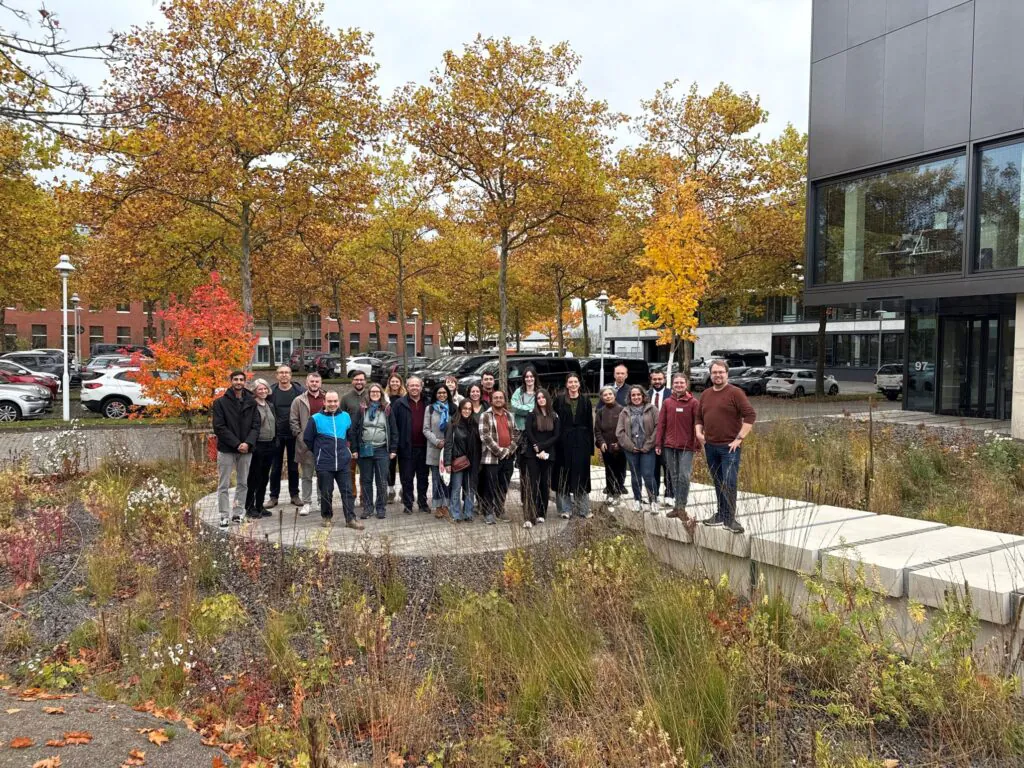
From 14 to 16 October 2025, the NBSINFRA consortium gathered in Cologne (Germany) for a three-day meeting hosted by the local partners. On the first day, partners shared project updates and achievements during the review meeting, providing an overview of the progress made over the past months and setting the path for the next project […]
From 14 to 16 October 2025, the NBSINFRA consortium gathered in Cologne (Germany) for a three-day meeting hosted by the local partners.
On the first day, partners shared project updates and achievements during the review meeting, providing an overview of the progress made over the past months and setting the path for the next project phase.
The second day was dedicated to a field visit, exploring Cologne’s grey, green and blue infrastructures. The city of Cologne is characterised by its close relationship with the Rhine River, which has repeatedly flooded the city in recent decades, notably in 1993 and 1995, causing serious. More recently, heavy rainfall in July 2021 led to severe flooding in the Wupper and Erft basins, with rivers reaching unprecedented levels.
To mitigate such risks, Cologne combines traditional grey infrastructure with Nature-Based Solutions (NBS), including retention basins, floodplains and riparian vegetation that help manage excess water while enhancing local biodiversity. During the visit, participants had the chance to see barriers along the Rhine used to control floodwaters and to discuss the ongoing design of green roofs and community engagement activities aimed at addressing urban heat islands and pluvial flooding.
The meeting concluded with a Science Fair, where project partners presented their research papers and findings, sparking fruitful discussions on methodologies, results, and next steps within NBSINFRA.
NBSINFRA among the winners of the BPREPARED Hackathon Finals in Budapest

From 17 to 21 September, the BPREPARED Hackathon Finals took place in Budapest, bringing together researchers, practitioners and innovators to co-create solutions that strengthen disaster preparedness and resilience. The NBSINFRA project was selected among the finalists and competed in two categories: Disastropedia Challenge – contributing a dedicated page to expand knowledge and resources on disaster […]
From 17 to 21 September, the BPREPARED Hackathon Finals took place in Budapest, bringing together researchers, practitioners and innovators to co-create solutions that strengthen disaster preparedness and resilience.
The NBSINFRA project was selected among the finalists and competed in two categories:
- Disastropedia Challenge – contributing a dedicated page to expand knowledge and resources on disaster preparedness.
- IM-Prepared Challenge – developing, under the NBSINFRA project, a script for the Aveiro case study to test the real-world impact of nature-based solutions for disaster resilience.
In the IM-Prepared Challenge, NBSINFRA achieved first place, a recognition that highlights both the strength of the project’s results and their potential value for advancing resilience strategies.
This achievement confirms NBSINFRA’s active contribution to innovative, collaborative approaches in disaster preparedness and urban resilience.
Image credits: Fauxels from Pexels
NBSINFRA showcased at the Security Research Event 2025 in Warsaw

On 24-25 June 2025, the NBSINFRA project was represented at the Security Research Event (SRE) in Warsaw, held at EXPO XXI. Three project partners took part as exhibitors, presenting how Nature-Based Solutions (NBS) can contribute to addressing main security challenges affecting critical infrastructure. The SRE is the EU’s leading forum for discussion and collaboration on […]
On 24-25 June 2025, the NBSINFRA project was represented at the Security Research Event (SRE) in Warsaw, held at EXPO XXI. Three project partners took part as exhibitors, presenting how Nature-Based Solutions (NBS) can contribute to addressing main security challenges affecting critical infrastructure.
The SRE is the EU’s leading forum for discussion and collaboration on security research, bringing together policymakers, industries, practitioners and researchers. The presence of NBSINFRA highlighted the role of innovative, nature-inspired approaches in building more resilient and secure infrastructures across Europe.
NBSinfra at the European Safety and Reliability (ESREL) Conference
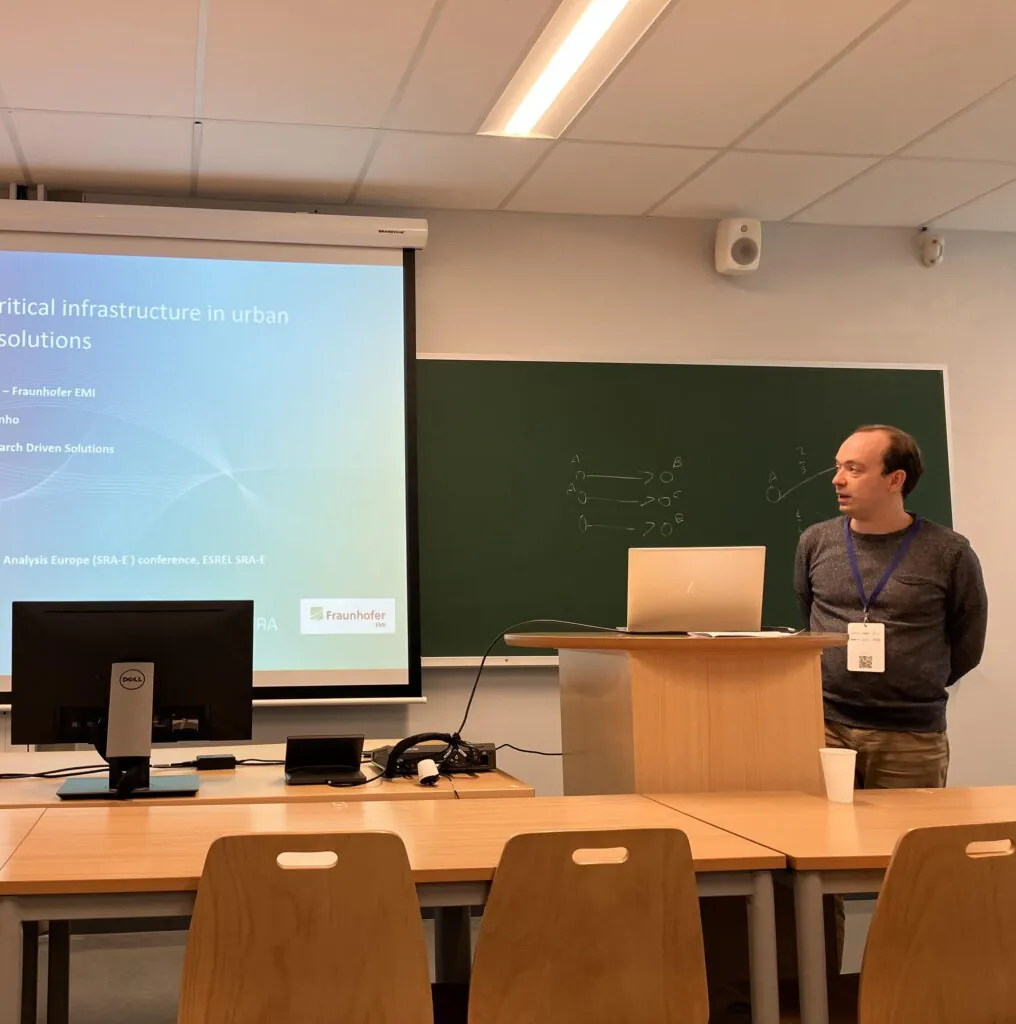
Fraunhofer, one of NBSinfra project partners, presented two papers featuring project-related content at the ESREL 2025 Conference on risk, safety and reliability engineering, held in Stavanger, Norway. The papers illustrate how the NBSinfra methodology can support the assessment of infrastructure systems and their potential for integrating nature-based solutions: Resilience Quantification for Critical Infrastructure in Urban […]
Fraunhofer, one of NBSinfra project partners, presented two papers featuring project-related content at the ESREL 2025 Conference on risk, safety and reliability engineering, held in Stavanger, Norway.
The papers illustrate how the NBSinfra methodology can support the assessment of infrastructure systems and their potential for integrating nature-based solutions:
- Resilience Quantification for Critical Infrastructure in Urban Areas Including Nature-Based Solutions
- Formulation, Calibration and Testing of a Coarse-Grained Heating Model for Urban Resilience Assessment
Both contributions provide insights into the application of the NBSinfra approach in the context of resilience and nature-based planning.

Funded by
the European Union