
Prague
Czechia
Prague, Czechia, is revitalising the Bubny Zátory brownfield in Holešovice, transforming it into a new city district for 25,000 residents by 2040. Using nature-based solutions (NBS), the project enhances urban resilience against heavy rains, floods, and summer heatwaves while providing leisure spaces.
Monitoring across both new and established sites aims to collect valuable data and information about NBS, potentially facilitating their upscaling and replication in other case studies. Lessons learned from the monitoring phase will then be applied to implement an NBS in a new environment, highlighting the adaptability and effectiveness of the solutions.

Sections

Project information
Prague City Lab provides a real-world platform for testing and monitoring nature-based solutions in urban settings. Across several pilot sites in Prague and nearby areas, green roofs, urban greenery, and innovative water management approaches are implemented and evaluated under real conditions. The project combines environmental monitoring, data collection, and biodiversity assessments to better understand how nature-based solutions can strengthen urban resilience, particularly in response to heatwaves and other climate challenges. By connecting research, experimentation, and practical application, Prague City Lab generates actionable knowledge that supports more sustainable buildings, neighbourhoods, and forward-looking urban planning strategies.
City lab location
The City Lab of Prague encompasses three distinct locations where NbS are tested and evaluated under real-world conditions. These sites function as experimental and collaborative environments, each representing unique urban settings that pose specific challenges and opportunities for NBS implementation. Historical data and climate projections indicate that extreme heat and heat waves will be the primary hazard affecting these sites. The selected locations are as follows:
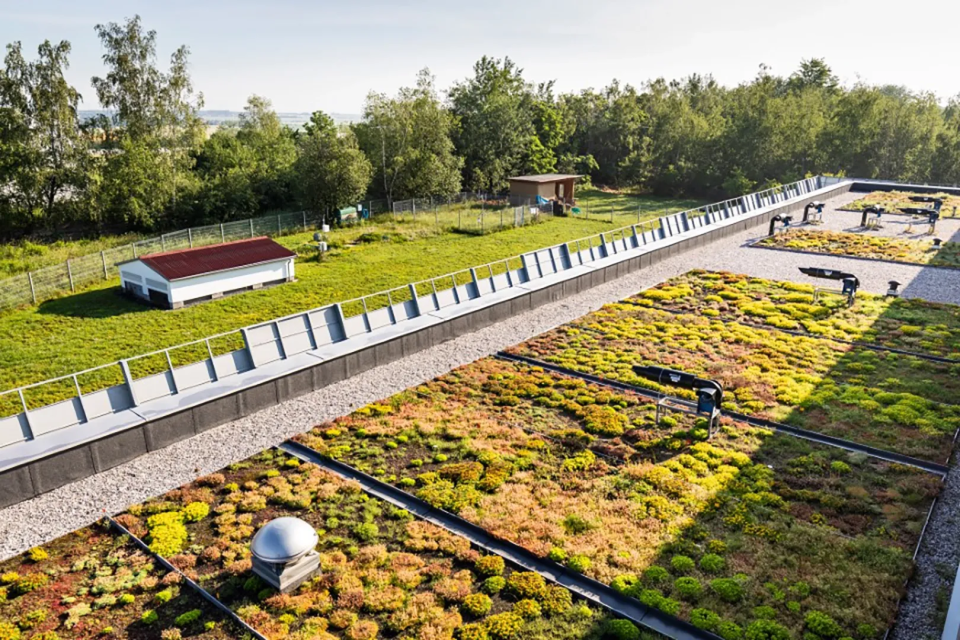
A. University Centre for Energy Efficient Buildings (UCEEB), Czech Technical University (CTU): Situated in a peri-urban brownfield area on the outskirts of Prague, this site provides a platform for testing NbS in the context of energy-efficient building strategies.
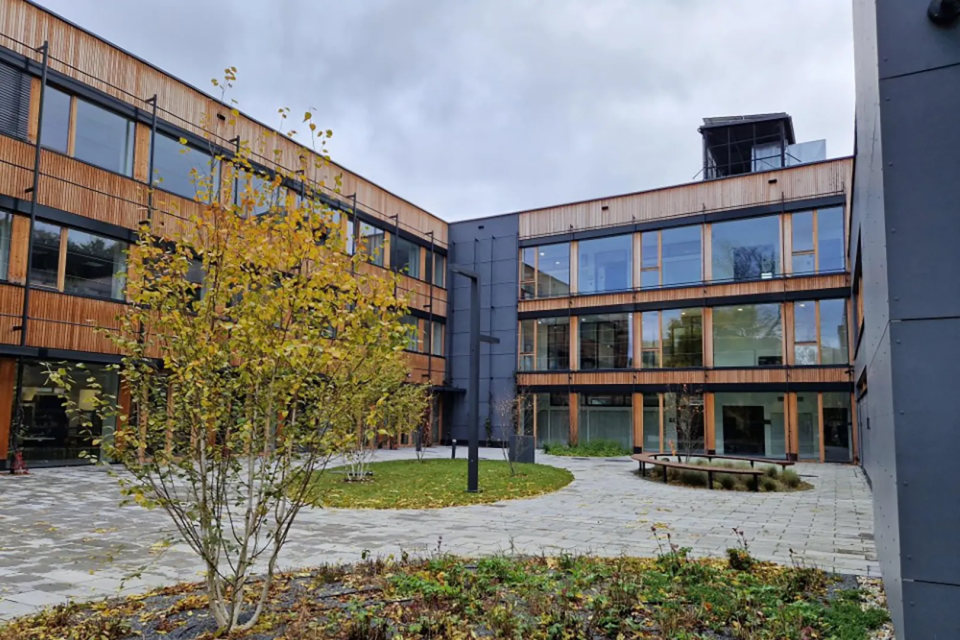
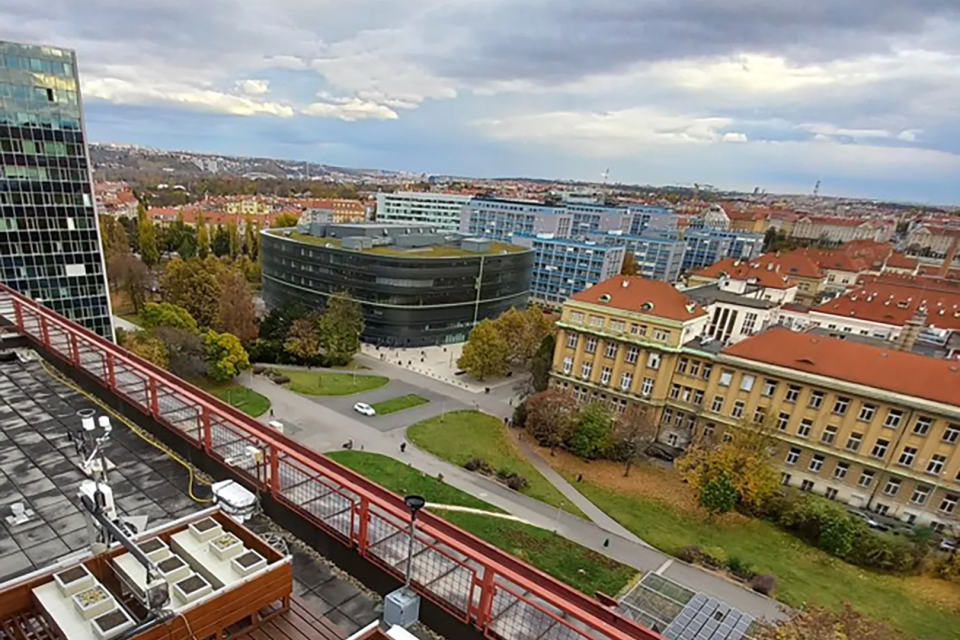
B. CTU University Campus (Prague 6): Located in the inner city, this area offers a complex urban environment for evaluating NbS in a densely populated setting.
C. Českobrodská High School (Prague 9): An inner-city site that explores the integration of NbS within educational and community-focused spaces.
D. Bubny-Zátory (Prague 7): One of the city’s largest brownfield redevelopment areas, planned as a new mixed-use district for up to 25,000 residents with a strong focus on climate adaptation and nature-based solutions.
Ecosystem mapping and botanical survey
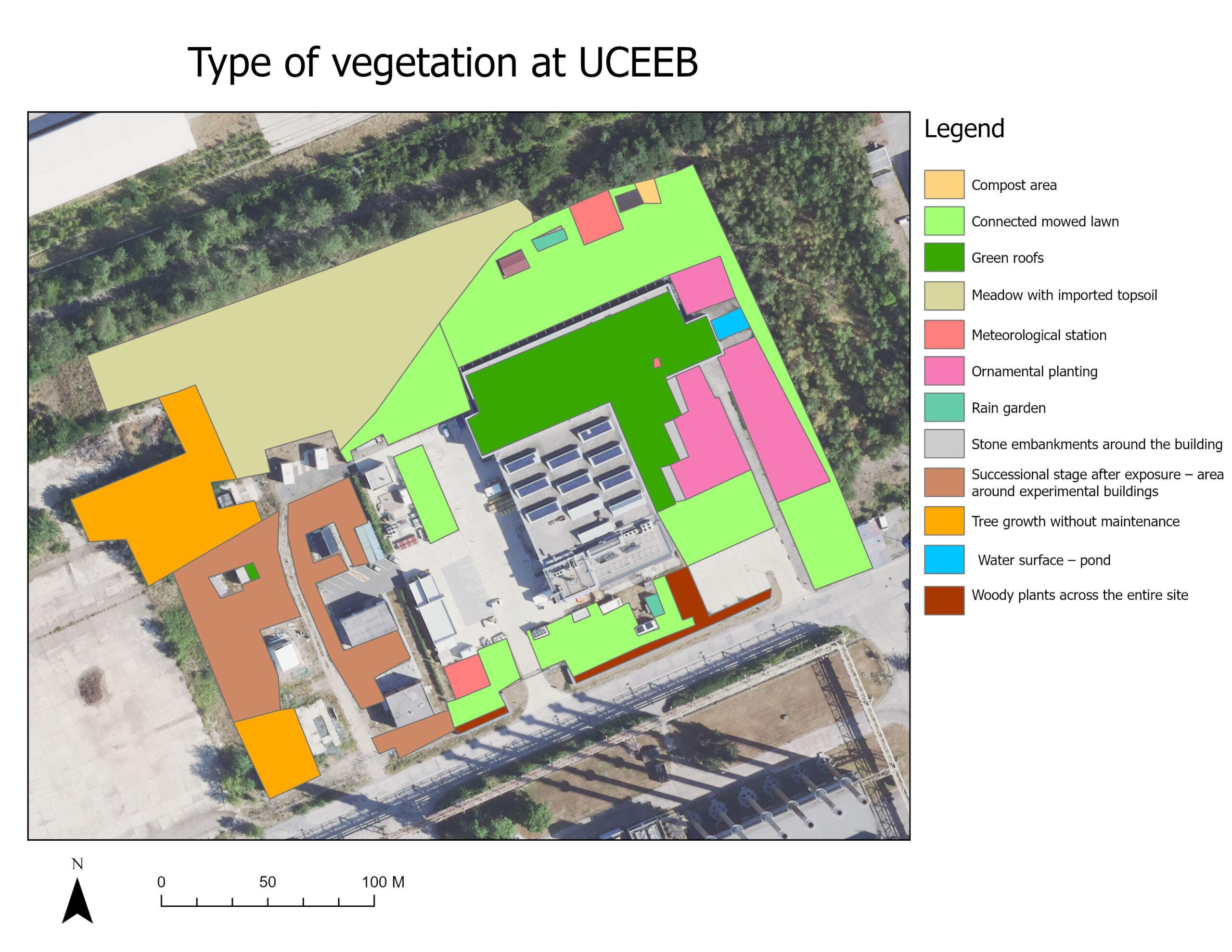
The ecosystem mapping and botanical survey provide a detailed overview of plant diversity across selected urban sites in Prague and nearby area. Field monitoring documented plant species in a range of environments, including lawns, ornamental beds, naturalized areas, green roofs, and other urban green spaces. The collected data were georeferenced and analysed using GIS tools to better understand vegetation patterns, ecological functions, and the role of urban green infrastructure in supporting biodiversity. The results contribute valuable insights into how nature-based solutions can strengthen urban ecosystems and enhance the environmental performance of cities.
Stakeholder mapping
The stakeholder mapping for the Prague City Lab was undertaken through a comprehensive, multi-step approach that included three key phases: identification, mapping and prioritisation, and understanding stakeholder roles and contributions for the four sites of the City Lab.
STEP 1 – Identification: The first step involved identifying stakeholders connected to the four distinct sites or buildings within the Prague City Lab, recognising the diverse roles they play within each location. This process involved mapping stakeholders based on their specific areas of involvement, including public representatives, associations, emergency services, the private sector, public sector entities (such as schools and hospitals), experts, local communities, and private property owners. Each stakeholder’s unique role and area of interest were documented to provide a clear overview of the various groups that could potentially influence or be affected by the implementation of Nature-Based Solutions (NBS).
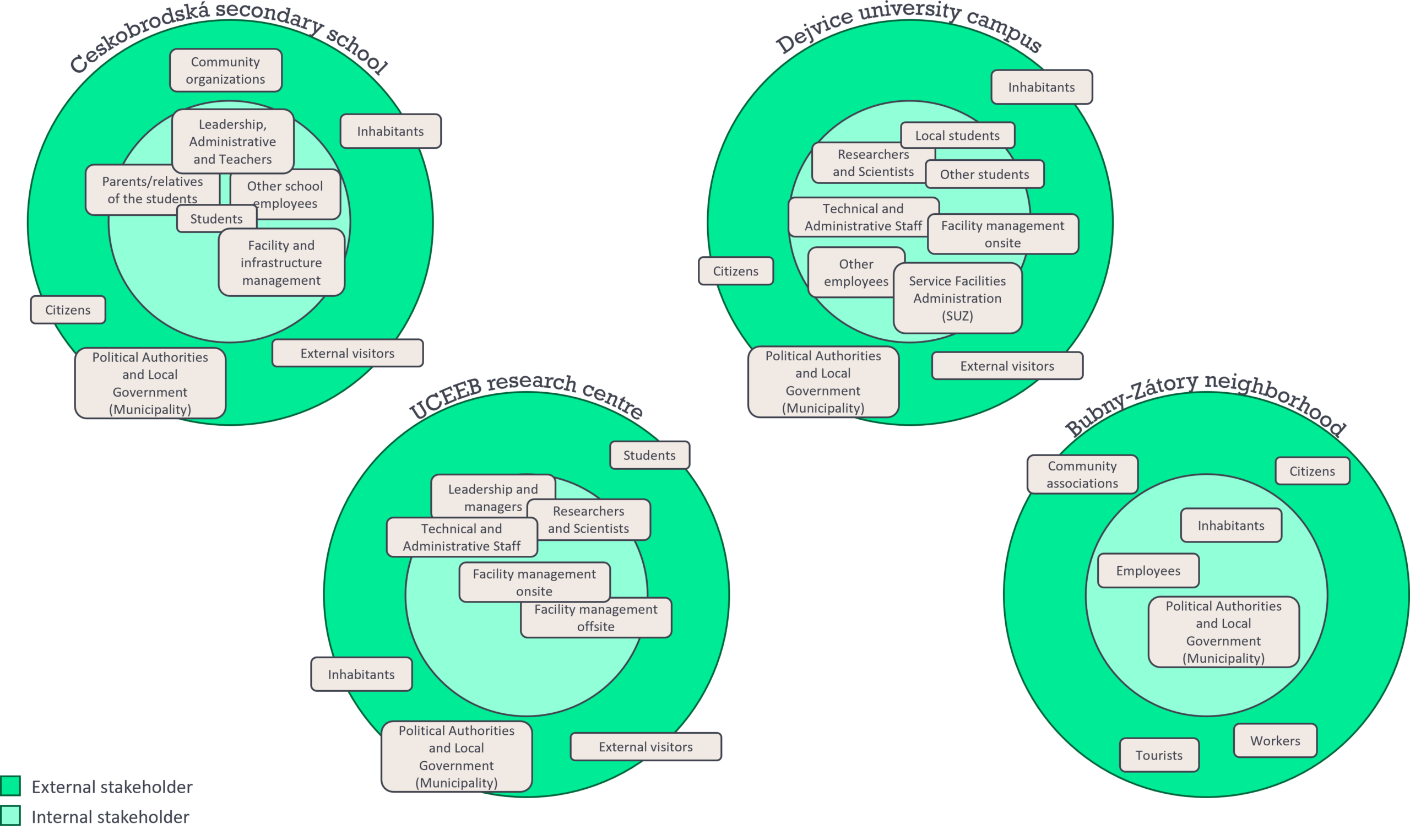
STEP 2 – Mapping and prioritization: Following identification, stakeholders were systematically mapped and prioritised according to their influence and relevance to the potential implementation of NBS at each site. This prioritisation process considered factors such as the level of impact stakeholders could have on decision-making, their resources and expertise, and their interest in project results. Stakeholders with high influence and relevance were placed at the forefront to ensure their strategic involvement from the outset. This approach would allow the project team in charge of NBS implementation to focus its resources on engaging the stakeholders whose participation is the most crucial to the success and sustainability of NBS interventions.
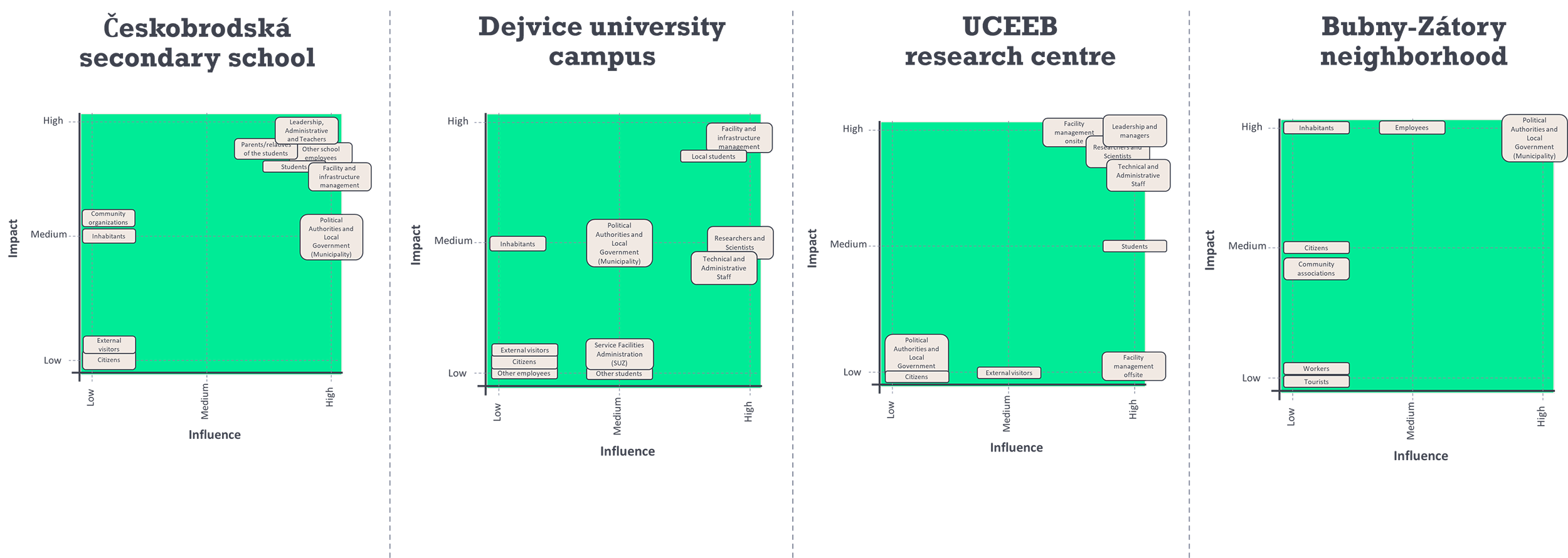
STEP 3 – Understanding stakeholder roles and contributions: The final step involved gaining a deeper understanding of each stakeholder’s role, interests, and potential contributions to future NBS initiatives. This phase was designed to clarify how different stakeholder groups could be effectively involved in the codesign and co-implementation of new NBS projects. By understanding their specific needs, experiences, and potential policy implications, the project team could tailor its engagement strategies to foster a participatory approach that takes advantage of the unique strengths and perspectives of each stakeholder group.
Urban heat vulnerability
ECOTEN urban comfort has collected satellite data on land surface temperatures, vegetation indices, moisture levels, and population demographics for the city of Prague to create an urban heat vulnerability map. This includes all the City Lab sites, except for the UCEEB Building, which is located in Buštěhrad, outside Prague’s administrative boundaries.
Assessing Prague’s urban heat vulnerability using the IPCC framework involves three key components: exposure, sensitivity, and adaptive capacity.
- Exposure measures the intensity of urban heat using satellite data and historical temperature records, mapping areas with extreme heat over multiple years.
- Sensitivity identifies vulnerable populations (children, the elderly, and health-compromised individuals) based on census and demographic data.
- Adaptive Capacity evaluates green and blue infrastructure (vegetation, water bodies) using satellite indices and GIS data to assess heat mitigation potential. These indices are combined to calculate the Urban Heat Vulnerability Index. Higher UHVI values indicate greater vulnerability, helping to pinpoint priority areas for intervention in Prague.
To measure these components, ECOTEN Urban Comfort utilized satellite data from NASA’s Landsat 8 and ESA’s Sentinel 2 for assessing exposure and adaptive capacity. Census data from the Czech Statistical Office (2021) was used to assess sensitivity, focusing on populations most vulnerable to extreme heat.
Each component of Prague’s vulnerability to extreme heat has been measured and mapped to develop the final urban heat vulnerability map of the city.
Man-made hazards in the City Lab
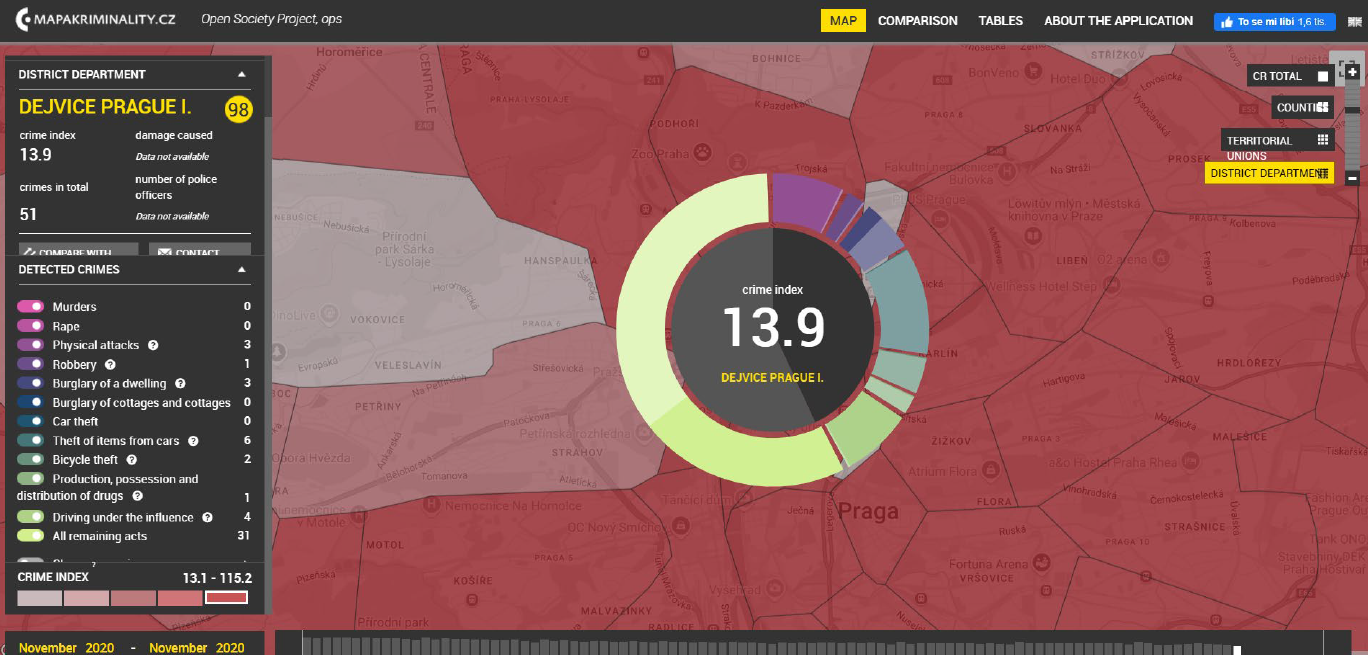
Prague is widely regarded as one of Europe’s safer capitals, yet it is not without human-made risks that influence urban resilience and planning. Understanding these challenges is essential when designing safe and sustainable City Lab environments. Common issues include petty crime such as pickpocketing and car theft, domestic violence, drug-related offences, extremist activities linked to protests, and rapidly evolving cybercrime. Although Prague has not experienced major terrorist attacks, isolated cases of radicalisation have occurred. For detailed local insights, interactive tools such as the Crime Map provide accessible data and statistics on crime across the Czech Republic. By acknowledging these risks, nature-based Solutions in the City Lab can be designed not only to address environmental and climate goals, but also to strengthen safety and long-term urban resilience.
Monitoring activities
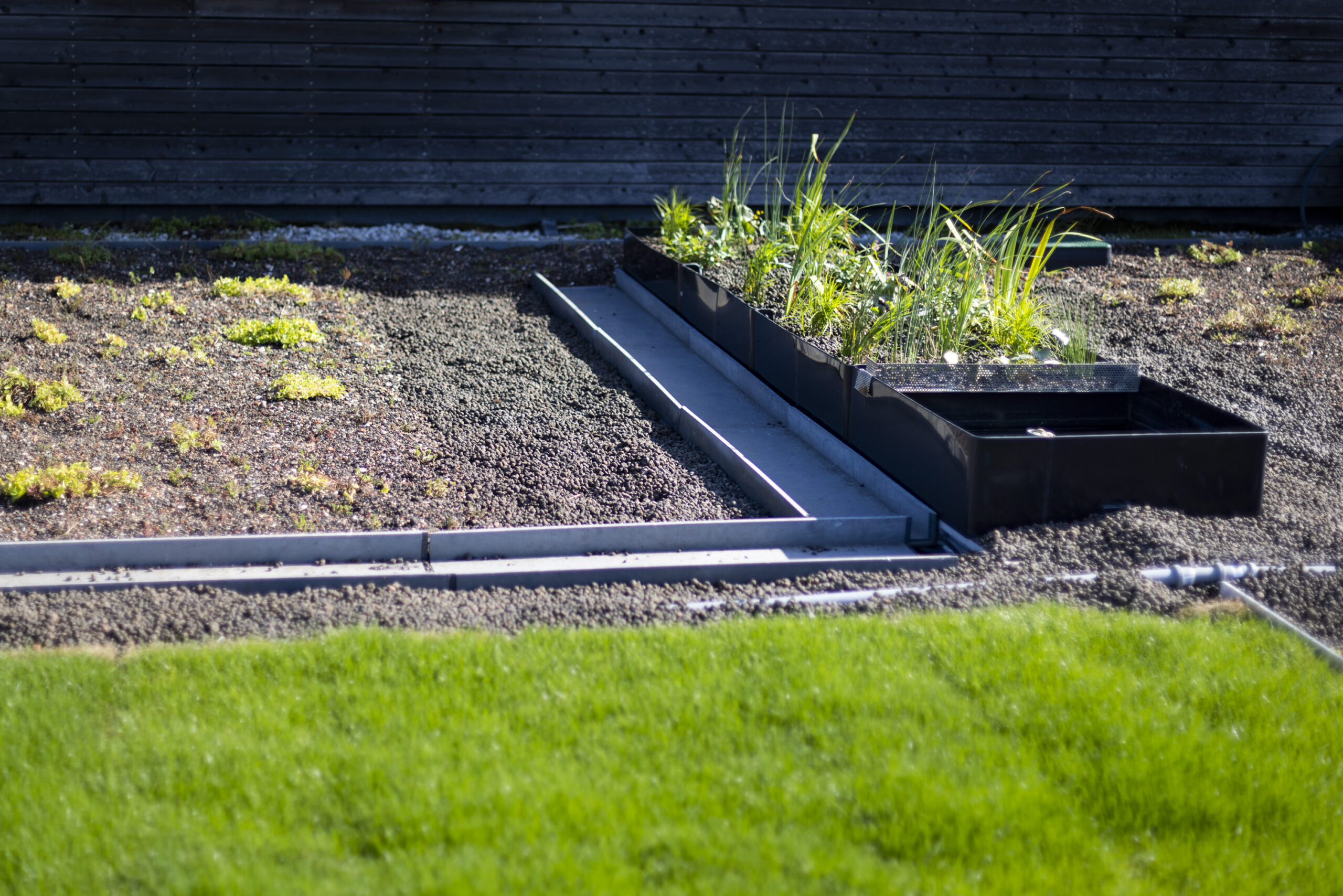
Within the project, systematic monitoring of nature-based solutions installed at the UCEEB building is being carried out. The main objective is to evaluate their long-term hydraulic and thermal performance, retention capacity, and overall contribution to blue-green infrastructure. The monitoring focuses on experimental green roofs and bioretention systems equipped with sensors for continuous measurement of rainfall, runoff, substrate moisture, and temperature. This setup enables detailed assessment of water balance components, runoff reduction, and thermal regulation under real climatic conditions. Collected data provide valuable insight into the behaviour of NbS throughout the year and support the optimisation of their design, operation, and integration into urban environments.
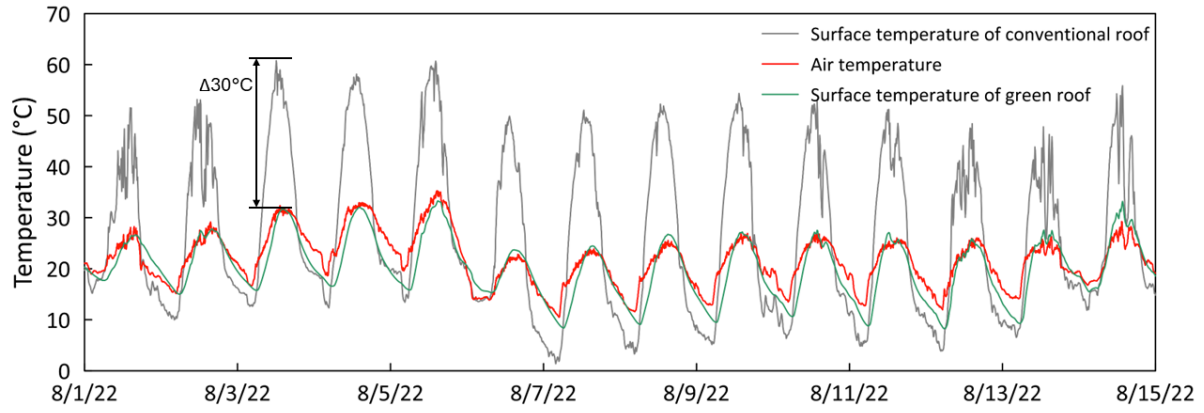
Within the project, detailed monitoring of nature-based solutions at the University Centre for Energy Efficient Buildings (UCEEB) focuses on several experimental systems, including extensive green roofs with different substrate compositions, ultra-thin lightweight green roofs, hybrid green roofs irrigated with treated greywater and integrated rooftop wetlands, bioretention cells and a newly installed green façade. These installations are supported by a long-term meteorological monitoring system and are equipped with sensors measuring rainfall, runoff, substrate moisture, temperature profiles and heat flux. High-resolution data collected year-round enable evaluation of water retention, runoff reduction, thermal regulation and overall climate adaptation performance of different NbS types under real climatic conditions.
Publications
- Felicioni, L., Rybová, B., & Sněhota, M. (2024). Nature-based solutions performance versus man-made hazards: a literature review for enhancing the resilience of critical infrastructure. In PLEA 2024: (Re)thinking Resilience. The book of proceedings. https://doi.org/10.37190/PLEA_2024
- Petreje, M., Rybová, B., Hečková, P., & Sněhota, M. (2024). Biodiverse dual-purpose wettalnd-green rooftop design based on recyclates. In EGU General Assembly 2023. https://meetingorganizer.copernicus.org/EGU24/EGU24-7673.html
- Hečková, P., Koestel, J., Klement, A., Kodešová, R., & Sněhota, M. (2024). X-ray study of soil structure changes in Constructed Technosol of the layered system of bioretention cells. In EGU General Assembly 2023. https://doi.org/10.5194/egusphere-egu24-7583
- Hečková, P., & Sněhota, M. (2025). Long-Term Impact of Biofilter Layers on Water Retention and Runoff Delay in Bioretention Cell: A Five-Year Experimental and Simulation Study. SSRN. https://doi.org/10.2139/ssrn.5135716
- Brych, M. (2025). Performance analysis of blue-green infrastructure in an educational facility (Bachelor’s thesis). Faculty of Civil Engineering, Czech Technical University in Prague (CTU). https://dspace.cvut.cz/handle/10467/3008
- Felicioni, L., Žatecká, P., Petreje, M., Marešová, P., & Sněhota, M. (2025). Monitoring of Urban Nature-Based Solutions in Central European Context: Insights from Prague City Lab. IOP Conference Series: Earth and Environmental Science, 1546, 012005. https://iopscience.iop.org/article/10.1088/1755-1315/1546/1/012005

Funded by
the European Union